


Lum's Chrysler Dodge Jeep Ram

Blog / Parts & Accessories

Custom Accessories for Jeep, Ram, Dodge and Chrysler Vehicles

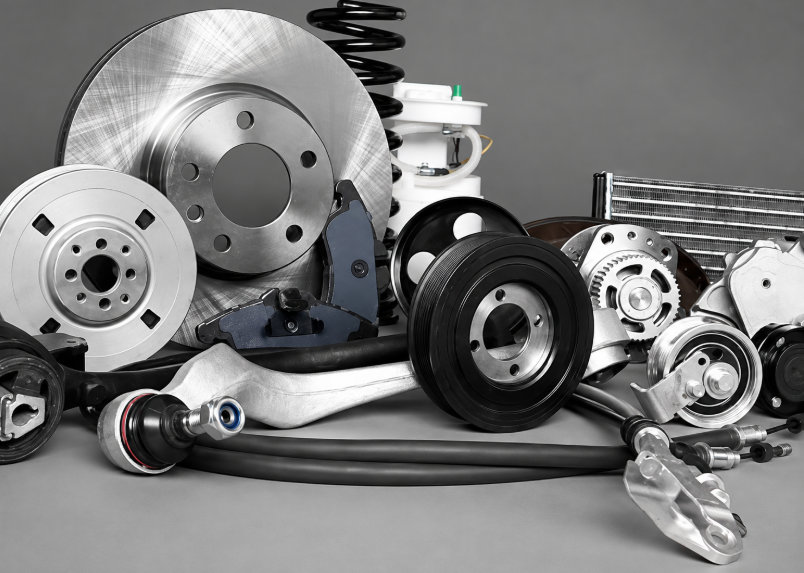
Mopar accessories and automotive parts displayed for vehicle service

If you own a Jeep, Ram, Dodge, or Chrysler vehicle, you already know these aren't ordinary machines. They're built for real life, whether that means hauling equipment or crawling over rocky terrain. Custom accessories take that built-in capability even further, letting you shape your vehicle around your specific needs rather than accepting it as-is.

At Lum's Chrysler Dodge Jeep Ram, our parts team works with owners across the Oregon Coast and Southwest Washington every day to match the right accessories to the right vehicles. Whether you're looking for towing upgrades or interior refinements, our parts department is the place to start. Knowing what's available helps you make smarter choices and get more out of every drive.

Why Custom Accessories Make a Difference for Jeep, Ram, Dodge, and Chrysler Owners

For most owners, the real motivation is getting more utility out of a vehicle that's already capable. A well-chosen set of upgrades can calibrate your vehicle for how you actually use it, whether you're logging work miles, hitting the trails on weekends, or managing both.

There's also a practical financial argument. Vehicles that have been thoughtfully upgraded with quality accessories often hold their value better because prospective buyers can see the added functionality and care. Investing in custom accessories for these vehicles is about protecting the asset long-term, not just improving today's experience.

Popular Accessory Categories for Jeep Owners

Jeep owners are among the most enthusiastic vehicle customizers out there, and for good reason. The platform practically invites modification. Whether you're running a stock Wrangler, a Gladiator, or a Grand Cherokee, the accessory options available through our parts department make building out your rig straightforward.

Priorities shift depending on how you actually use the vehicle. A Wrangler owner who overlands regularly will want very different gear than someone doing occasional weekend trail runs.

Off-Road and Exterior Upgrades for Jeep

For off-road use, exterior accessories are the natural starting point. Roof racks and crossbars expand your carrying capacity significantly, whether you're strapping down gear for a coastal camping run or heading into the hills around Clatsop County. Off-road lighting improves visibility on unlit trails, while splash guards and air deflectors protect your paint and finish from road debris and weather.

Running boards make entry and exit easier, especially on lifted configurations, and blackout trim packages give a Jeep a more aggressive visual profile without major bodywork. Lockable storage boxes round out the exterior picture, keeping recovery gear and valuables secure no matter where you park.

Interior and Cargo Protection for Jeep

Off-road capability doesn't do much good if the interior is taking a beating after every run. All-weather floor mats and cargo liners are your first line of defense against mud and moisture. These accessories are designed to fit precisely, which means they stay in place and protect the surfaces they're meant to cover.

Beyond protection, interior organization matters. Lockable storage boxes and modular cargo solutions keep gear accessible without turning your Jeep into a pile of loose equipment. Wireless charging pads and air purifiers are practical additions for daily drivers who also want modern convenience on longer trips up and down the Oregon Coast.

Must-Have Accessories for Ram Truck Owners

Ram trucks attract a wide range of owners: contractors, ranchers, weekend adventurers, and everyday commuters all show up in our parts department. What they share is a high standard for utility, and the right accessories turn a capable Ram into a well-configured work tool.

Truck Bed Accessories and Cargo Management

The truck bed is prime real estate, and how you manage it determines how useful your Ram actually is. Bed liners and lockable bed storage boxes are the foundation of smart cargo management. A quality bed liner prevents years of rust and surface damage, keeping your bed in solid shape no matter how hard you load it. Lockable storage boxes keep tools and gear secure and organized, which matters when you're on a job site or leaving the truck unattended.

Crossbars add versatility for carrying ladders, lumber, or oversized loads that won't fit inside the bed walls. For those who do varied work, these systems eliminate the need to improvise on the fly.

Running Boards, Towing Accessories, and Lighting

Running boards are among the most requested Ram accessories. They make getting in and out of a tall truck easier while giving the profile a cleaner, more finished look. For families or anyone who regularly has passengers, they're a genuinely practical addition.

Towing performance depends heavily on having the right gear. Tow hitches and hitch receivers matched to your Ram's actual tow rating ensure you're pulling with confidence and safety. Fog lights and off-road lights improve visibility during nighttime work or early morning hauls, and air deflectors help manage wind noise and fuel efficiency on long highway stretches.

Style and Function Upgrades for Dodge and Chrysler Vehicles

Dodge and Chrysler vehicles occupy a specific space in the automotive world, where performance and everyday drivability meet. Accessories for Charger, Challenger, and Pacifica owners reflect that balance, with options that satisfy both the driver who wants a sharper-looking vehicle and the one prioritizing daily comfort.

Custom trim upgrades and splash guards address both appearance and protection. All-weather floor mats and cargo management systems are especially relevant for Pacifica owners who use their van for family hauling or longer trips. Roof rack options add practical carrying capacity without compromising the vehicle's lines. Inside, infotainment and comfort upgrades create a more refined driving environment that pays off on every commute.

Why Mopar® Accessories Are Built for Your Vehicle

Mopar® is the official parts and accessories arm of the same manufacturer that built your vehicle, which puts it in a different category than third-party brands approximating a fit. That distinction matters more than it might seem.

Mopar accessories are engineered to precise tolerances that match your specific year, make, and model. Installation is cleaner, fitment is exact, and performance behaves predictably because the component was designed as part of the vehicle's overall system rather than reverse-engineered from general specifications. Adding Mopar accessories also typically preserves your manufacturer's warranty coverage, as they are designed and tested to OEM standards for your specific vehicle.

You can contact our team directly to confirm what's right for your vehicle.

OEM Fit vs. Generic Parts: Why Compatibility Matters

The price difference between OEM and generic aftermarket parts can be tempting, especially for accessories that seem straightforward. But generic parts carry real risks that aren't always visible at the point of purchase.


FactorMopar / OEMGeneric Aftermarket
FitmentVehicle-specific, exact tolerancesGeneral specs, may fit loosely
Warranty ImpactDesigned and tested to OEM standards, supporting warranty complianceQuality varies; defective or improperly installed parts may affect warranty claims
ReliabilityTested to OEM performance standardsVariable; not manufacturer-validated
CompatibilityIntegrates with factory systemsRisk of electrical or mounting issues

OEM parts are tested to meet the manufacturer's exact standards for fitment and durability under real driving conditions. Generic alternatives built to general specifications may fit loosely, wear faster, or interact unexpectedly with other vehicle systems.

With towing components, lighting systems, or suspension-adjacent upgrades, that incompatibility can become a safety concern. The longer-term cost calculation almost always favors quality, especially on vehicles you rely on daily or push hard on the trail.

Work With the Parts Team at Lum's CDJR Near Warrenton and Astoria

Finding the right accessories gets a lot easier when you're working with people who know these vehicles well. Our parts team at Lum's CDJR serves customers throughout Warrenton, Astoria, and the broader Oregon Coast region with hands-on knowledge of what works for local driving conditions.

What Our Parts Team Offers

Whether you need help selecting the right Mopar upgrade for your Ram or want to confirm fitment for a Jeep Wrangler accessory build, we can walk you through the options, confirm compatibility, and handle ordering directly. Our certified technicians can also recommend upgrades tailored to how you actually use your vehicle, whether that's towing, hitting the trails, or putting daily highway miles on it along the coast.

Professional installation is available through our in-house service department, so you're not left figuring out fitment on your own.

Get in Touch

To reach our parts department, call 503-861-1144 Monday through Friday from 8 a.m. to 5 p.m. or Saturday from 8 a.m. to 4 p.m. You can order genuine parts and accessories online at any time for added convenience. We're located at 1605 SE Ensign Lane in Warrenton, OR, and our team is ready to help you get exactly what your vehicle needs.
Posted in:

Recommended Posts

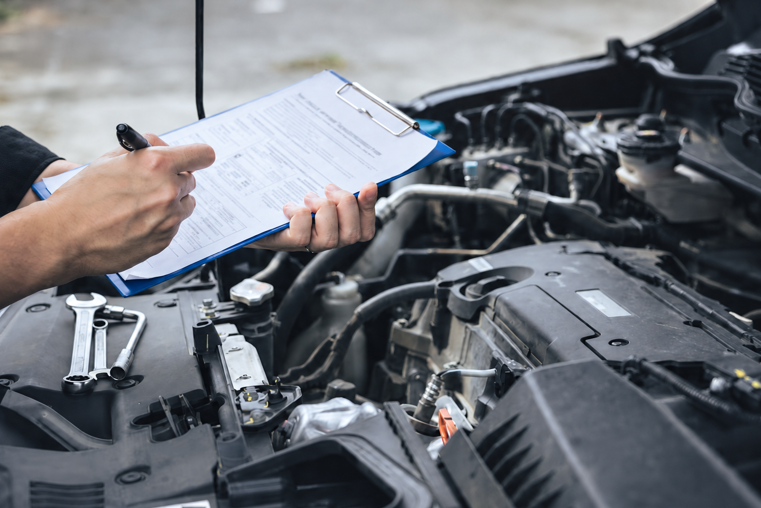
Technician completing vehicle maintenance checklist during engine inspection

Winter Service Checklist for Chrysler, Dodge, Jeep and Ram Vehicles on the Oregon Coast

Winter on the Oregon Coast rarely means snow. Expect rain and wind, plus fog and early darkness, often in the same drive down US-101. Astoria averages 11.05 inches of rain in November and 10.68 inches in December, based on the National Weather Service's 1991–2020 normals. A short checklist helps you catch small problems early, and for the items you can't check yourself, visit Lum's CDJR service center for CDJR service Warrenton OR drivers rely on. Use this as a starting point, and follow your owner's manual and vehicle-specific maintenance schedule for anything specific to your Chrysler, Dodge, Jeep or Ram. How Oregon Coast Winters Affect Chrysler, Dodge, Jeep and Ram Vehicles Rain makes pavement slicker and stopping and handling harder, while heavy rain cuts visibility on winter's shorter, darker days. When rain follows a dry spell, built-up oil and grease make roads especially slick in the first few hours, and driving through pooled water at speed can cause a loss of control. Fog adds another layer. Astoria averages four dense-fog days in November and three in December, with visibility dropping to a quarter mile or less. Cooler temperatures also lower tire pressure and battery power. Add salt air and damp garages, and small issues like weak batteries, underinflated tires and worn wipers tend to show up in winter. That's why winter car maintenance Warrenton drivers do ahead of the wet season matters. Even a well-maintained vehicle can't make hazardous roads safe, so check conditions before you go and postpone trips when roads are poor. Tires, Brakes and Wipers: Your Grip and Visibility on Wet Roads How well you can see and stop on wet roads comes down to your tires, brakes and wipers. Most owners can begin these checks in the driveway. Tire Tread and Pressure for Heavy Rain and Cooler Temperatures Your tires are the only part of your vehicle touching the wet road, so give them a careful look. For pressure, use the number in your owner's manual or on the driver-side door-frame label rather than the maximum printed on the tire. Cooler air lowers pressure, so you want a gauge reading that matches the label. Measure when tires are cold, meaning they haven't been driven for at least three hours. Check monthly and before long trips, and look for consistent readings on all four tires. Tread must be at least 2/32 inch, but tires lose wet-road grip well before that, so consider replacing them as they approach 4/32 inch. Look at tread and sidewalls for cuts, punctures, bulges, scrapes, cracks and bumps. A damaged tire should go to a tire professional. Check the spare too, because a flat on a dark, wet shoulder is a bad time to find it soft. If you tow or haul, check tire pressure and load before you go. For Jeep and Ram owners, check the manual for 4WD or AWD notes too. Our tire service can include rotations, inspections, pressure checks, tread-depth review and replacement support. Book it for low tread, uneven wear, vibration, pulling to one side, repeated low-pressure alerts or visible damage. Brake Condition for Changing Road Conditions On slick pavement, you want brakes that respond the way you expect. According to Mopar, squealing or grinding while braking, juddering, or a pedal that goes lower than usual can all signal brake wear. A longer stopping distance, a soft pedal, or new noise or vibration are also reasons to get your brakes looked at. Any sign of a brake problem calls for an inspection by a certified technician. Also find out whether your vehicle has antilock brakes (ABS), which prevent wheel lockup during hard braking. Knowing how ABS feels, including the pulsing through the pedal, helps you react calmly on a wet road. Wipers, Washer Fluid and Defrost Performance Worn blades get overwhelmed fast by fog, rain and road spray. Confirm your wipers and defrosters work, fill the reservoir with winter washer fluid containing de-icer, and replace blades that show tears, ragged edges, stiff rubber, or a bent or cracked arm. Keep the blades clean between replacements. Genuine Mopar wiper blades are designed for clear visibility in rain and road spray, and replacements are an easy add-on during any service visit. Battery, Fluids and Coolant: Cold, Damp-Weather Reliability Cooler weather asks more of your battery and fluids. A vehicle that starts fine in September can turn stubborn in December, so check these before the wet season settles in. Battery Condition and Starting Reliability Battery power drops with temperature, so have a mechanic check the battery, charging system and belts. A few checks you can do yourself: Start with the terminals and cable ends. Look for corrosion and make sure the connections are tight, since a poor connection can mimic a dead battery. Loose or corroded cables can also interrupt charging and starting. Then consider the battery's age and charge. Older batteries have less to give on cold mornings, so know when yours was installed. Finally, watch for warning signs: slow cranking, repeated jump starts, dashboard warnings, dim lights, inconsistent electrical features, a sulfurous smell or a swollen case. We offer battery checks and replacement for Chrysler, Dodge, Jeep and Ram vehicles, with genuine Mopar parts available. If you notice any warning sign, schedule service online, and we'll test the battery, charging system and belts. Oil, Coolant and Other Fluids Your owner's manual holds your vehicle's maintenance schedule and dashboard indicator information, and Mopar's site has vehicle-specific manuals if yours is missing. Coolant should meet the manufacturer's specification. Check the cooling system for leaks, have the coolant tested and replace old coolant when needed, and ask your technician to look for badly worn hoses. Check your transmission, brake and power-steering fluid levels too. For oil, watch for a dropping dipstick level, a burnt-oil smell or blue tailpipe smoke, all signs of a possible leak. Follow your manual for the oil type and the oil filter and fuel filter intervals. We offer oil changes, fluid service and filter replacement for Chrysler, Dodge, Jeep and Ram vehicles. Lights, Heating, Filters and Coastal Moisture Checks When daylight is short and fog rolls in, being seen matters as much as seeing. A warm, clear cabin helps too, especially when damp air fogs your glass. Exterior Lights for Reduced Daylight Before the wet season, check your headlights, brake lights, turn signals, flashers and interior lights, plus trailer lights if you tow. Keep spare bulbs in the vehicle, and turn your headlights on in rain, as ODOT advises. Test low beams in the garage or against a wall, since dim headlights shorten your view in fog and darkness. Both should be equally bright. Have a helper watch while you press the brake pedal and signal, because other drivers rely on those lights in spray. Every bulb should light each time. Confirm the flashers and interior lights work, since you may need flashers on a US-101 shoulder. Flashing should be steady and even. Hook up and test trailer lights before towing, because a dark trailer is hard to see in rain. The signals should match your vehicle. Carry a set of spare bulbs, since a burned-out bulb on the road is a hassle. Make sure the right ones are in your kit. Heating, Defrost and Cabin Air Filters Test your heater and defroster on a damp morning and see whether the windows clear steadily. Windows that keep fogging deserve a technician's look. A clogged cabin air filter can also slow defrosting and let musty air build up in a damp climate. We offer filter replacement, including cabin air, engine and oil filters, as part of service, with genuine Mopar parts available. Emergency Supplies and Pre-Trip Habits for Holiday Travel Holiday travel to Seaside, Long Beach or across the Columbia River can mean long stretches of wet highway. A packed kit and a few habits help you handle surprises. Here's a printable-style kit list based on NHTSA and ODOT guidance: Blanket and warm clothing. Flashlight. Jumper cables. Reflective triangles or other warning devices. Tire inflator. Gloves. Phone and charger. Water and snacks. First-aid kit. Spare bulbs. Extra washer fluid. Paper towels. Any medicine you need. Before you leave, check weather and traffic, and keep the tank close to full. Share your route and expected arrival time, allow time to rest, and don't drive drowsy. Add tire pressure before loading the vehicle. Use TripCheck for Oregon road conditions or call 511, and note that mountain passes may have snow. If roads are poor, consider postponing nonessential trips. If you stall, stay with the vehicle, make it visible and keep the exhaust clear. What to Check Yourself and When to Visit a Technician Many items on this list take only minutes in your driveway, including tire pressure, tread and damage, the spare, wipers, washer fluid, lights, heater and defroster. Others, like brake inspections, battery testing and coolant checks, belong with a certified technician. Winter Checklist at a Glance Item What to Check Why It Matters on the Coast DIY or Technician Suggested Timing Tires Pressure, tread (replace well before 2/32 inch), sidewalls, spare Wet roads are slick and pressure drops as temperatures fall DIY, with a tire professional for damage Monthly Brakes Noise, vibration, soft pedal, stopping distance Wet pavement makes stopping harder Technician At the start of the wet season Wipers Tears, ragged edges, stiff rubber, washer fluid Rain and road spray cut visibility DIY At the start of the wet season Battery Terminals, cables, age, charge, charging system and belts Battery power drops with temperature Technician for testing At the start of the wet season Fluids and coolant Leaks, coolant spec, transmission, brake and power-steering levels Cooler weather puts more demand on the vehicle Technician for leaks and coolant testing Per your owner's manual Lights Headlights, brake lights, signals, flashers, trailer lights Days are shorter and fog reduces visibility DIY Monthly Heat and defrost Heater and defroster function Clear glass matters in damp, foggy conditions DIY, with a technician if windows won't clear At the start of the wet season Emergency kit Supplies packed and in date Holiday trips can mean long, wet stretches DIY Before long trips Driveway Checks vs. Warning Signs Use the left column for quick checks you can do at home before a trip, and treat anything in the right column as a reason to book service rather than wait. Quick Driveway Checks Warning Signs Needing a Professional Tire pressure, tread and sidewalls. Grinding brakes or a soft pedal. Spare tire inflation. Slow cranking or repeated jump starts. Wipers and washer fluid. Dashboard warning lights. All exterior lights. Coolant smell. Heater and defroster function. Fogging windows that won't clear. We also handle wheel alignment, diagnostics and repairs. Whether you need Chrysler service Astoria drivers count on, Dodge service Oregon Coast owners need, or Ram service Warrenton OR trucks require, we can help. Jeep winter service Oregon drivers want is available too, so bring us any warning sign that's beyond a driveway check. Schedule CDJR Service in Warrenton, OR at Lum's CDJR Ready to get your vehicle set for the wet season? Schedule service online and request an appointment with our in-house service department. If you have questions first, contact our team and we'll gladly help. We serve Warrenton, Astoria, Seaside, Long Beach, Clatsop County and nearby coast communities. For dependable CDJR service Warrenton OR drivers can count on, we're here to help you start the season prepared.

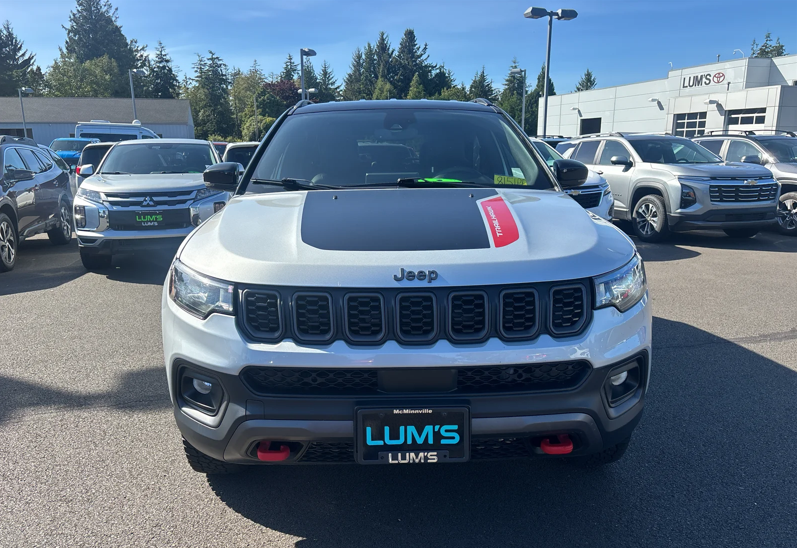
Jeep Compass front view parked at Lum’s dealership lot

Car Rental Options in Warrenton, OR

Need a set of wheels while your truck sits in our service bay, or planning a coastal road trip without racking up miles on your own car? Renting locally in Warrenton can solve both problems without a trip to the airport. Our rental department at Lum's CDJR handles requests directly, so you're talking to people who actually know the Oregon Coast instead of someone reading from a script at a call center. If you'd rather skip the research and just ask a real person about availability, contact us and we'll walk you through it. Car Rental Options in Warrenton, OR: An Overview Rentals in Warrenton, Oregon typically come from three sources. Airport counters serve travelers flying into the region. National rental brands often operate out of standalone offices with rotating inventory. Then there are dealership-based programs like ours. The Lum's CDJR rental department takes a different approach: our fleet is part of a full-service dealership, backed by the same staff who've supported this community's sales and service needs for decades. Your rental car request gets handled by people who also manage warranty repairs and vehicle maintenance every day, so you're working with the actual dealership instead of a third-party desk bolted onto the side of it. When You Might Need a Rental Car People reach for a rental car for more reasons than vacation travel. Your car might be in the shop and you need something to bridge the gap. Maybe there's a family trip coming up and you need more room than your sedan offers. A short-term rental fills that gap without disrupting your week. Travel and Visiting the Oregon Coast Warrenton sits close to some of the region's best-known stops, and a rental car makes exploring them simple. Fort Stevens State Park holds the northern-most trailhead of the Oregon Coast Trail, a year-round military museum, summer gun battery tours, a large public campground, and the Peter Iredale shipwreck. A short drive into Astoria puts you at the base of the Astoria Column, a 125-foot structure with 164 spiral steps and sweeping views of the Pacific Ocean and Columbia River. If you're searching for a car rental near Astoria OR or planning a longer loop toward Tillamook, renting from Warrenton keeps your pickup close to these attractions. Temporary Transportation Needs Breakdowns and accidents don't wait for convenient timing. A rental car gets you back to work, school runs, or appointments while your regular vehicle is out of commission, without the scramble of borrowing from friends or family. Service Appointments and Repairs If your vehicle is in for a diagnostic, brake work, or a battery swap, a service rental vehicle keeps your routine intact. Our Mopar Express Lane also handles quicker oil changes and checkups, so shorter visits may not even require a rental. For anything longer, schedule your service appointment online and mention that you'll need a rental, and we'll check availability for the same dates. Extended Maintenance or Warranty Visits Bigger repairs sometimes take days rather than hours. Jeep owners enrolled in the Jeep Wave program should know this benefit is scoped narrowly: it provides a First Day Rental allowance toward a rental for qualifying same-day mechanical repair or maintenance visits only, and bodywork is excluded. Vehicles kept overnight aren't eligible, and any mileage or rate overages become the member's responsibility. Jeep Wave enrollment varies by model year. Jeep Wave applies to Jeep Brand vehicles purchased between MY2021 and MY2025, and starting with MY2026, new Jeep vehicles instead move to the FlexCare Vehicle Protection Program. Ask your Jeep dealer about eligibility details for older model years. Family and Daily Logistics Families juggling school runs, sports practices, or a temporary need for extra seating often turn to a larger rental rather than squeezing everyone into a sedan. A van or SUV rental can bridge that gap for a weekend or a full week. Questions to Ask Before Booking Your Rental Before you commit to any car rental Warrenton OR option, a few questions can save you from surprises at pickup. Availability and Vehicle Types Not every class of vehicle is available every day, especially around holidays or peak coastal travel weekends. It helps to understand what these general categories typically offer before requesting one. Vehicle Class Typical Capacity Best Use Case Fuel Efficiency Notes Economy Up to 4 passengers, limited luggage space City errands, solo travel Generally fuel-efficient SUV 5-7 passengers, moderate cargo Family trips, coastal sightseeing Good fuel economy, more cargo room Van 7+ passengers, large cargo area Group travel, hauling gear Highest capacity That table reflects how these vehicle classes work across the rental industry generally, not what's sitting on our lot right now. For current rental requirements and what's actually available this week, check our rentals or call our rental desk directly. Rates, Deposits, and Payment Options Current daily and weekly rates for every vehicle in our fleet are published on our rental page, and they're subject to change, so check there for today's pricing. One pattern holds across the board: a weekly rental costs less per day than booking day by day. Payment is handled by credit card, and we don't accept debit cards for rentals, so plan on having a card in the renter's name available at pickup. Any hold or deposit amount depends on the vehicle and rental length, so ask our staff what to expect when you confirm your dates, along with current pricing. Mileage Limits and Insurance Requirements Our rentals aren't unlimited mileage. Daily rentals include 250 miles per day, and weekly rentals include 1,750 miles, with additional miles billed at $0.25 each. For a round trip to Tillamook and back, that allowance is more than enough, but it's worth doing the math on a longer loop. There are no state restrictions for travel within the U.S., but travel into Mexico is prohibited under our rental terms. Full coverage auto insurance is required before you drive off the lot, so have your proof of coverage ready. Every rental includes 24-hour roadside assistance, and our fleet is 100 percent non-smoking. Driver Requirements and Age Restrictions If you've ever wondered how old to rent a car in Oregon, requirements vary by provider. Ours at Lum's CDJR call for renters to be at least 21 years old with a valid driver's license. A credit card is required at pickup; we don't accept debit cards for rentals. Pickup and Return Process A little preparation makes pickup faster. Before you arrive, have these ready: A valid driver's license. A credit card, not a debit card. Proof of full coverage insurance. Confirmation of your request or reservation. Our online rental form is a request rather than a guaranteed booking, so a member of our team will confirm availability before your rental is locked in. The rental department is open Monday through Friday, 8:00 a.m. to 4:00 p.m., closed for lunch from noon to 1:00 p.m., and closed Saturdays and Sundays. Reach the rental desk directly at 503-994-9352 to check availability or coordinate a pickup or drop-off time. Smoking and pets aren't permitted in our rental vehicles, and we don't allow cruise-ship pickup or drop-off. Exploring Current Rental Specials at Lum's CDJR Specials on rentals rotate fairly often, so what's available one month may look different the next. Rather than list details here that could be outdated quickly, we'd rather point you to the source directly. Visit our rental specials to see what's currently offered, or reach out to our team for the latest terms before you book. Why Rent Through Lum's CDJR in Warrenton Lum's CDJR has served Warrenton, Astoria, Seaside, Long Beach, and the broader Oregon Coast for decades as a family-owned dealership. That history includes supporting local organizations and events across Clatsop County and Pacific County, well beyond the basics of selling and servicing vehicles. Renting through us means working with a rental desk clerk who's part of the same team handling everything else under one roof. Compared to airport counters, national rental brands, or independent local providers, our dealership-based rental program ties directly into a business that's been part of this community for years, not a franchise counter that happens to be passing through town. Confirm Your Rental Details and Get Started Today Once you've nailed down your dates, picked a vehicle preference, and thought through any special requests, the next step is confirming everything directly with our team. Ready to Book? Availability isn't guaranteed until a Lum's representative confirms your request, so don't wait until the last minute if you're planning around a coastal trip or a service appointment. Browse our current rental offers or contact us to get your car rental Warrenton OR request started today.

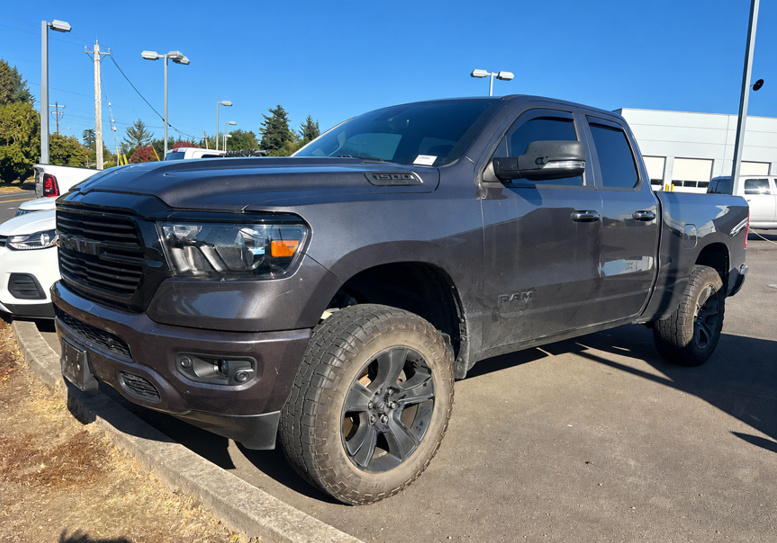
2021 Ram 1500 Big Horn parked at dealership lot

Used Trucks for Sale Near Astoria and Warrenton, OR

Truck shopping on the Oregon Coast comes with its own set of questions. Salt air, steep grades on Highway 101, and towing duties for boats, campers, or ATVs mean a used pickup here has to prove itself in ways a city truck never will. We've been helping neighbors in Clatsop County find the right vehicle since 1969, and this guide walks through what to look for before you buy. You can browse our current used inventory to see what's currently available, since our lineup shifts regularly. Finding Used Trucks for Sale Near Astoria and Warrenton, OR The used truck market along the coast stays active year-round, with buyers weighing reliability and value against the specific jobs they need done. Whether you're hauling crab pots down to the docks or commuting between Warrenton and Seaside, the used market offers more flexibility on features and trim levels than shopping new. We serve shoppers from Astoria, Seaside, Tillamook, Long Beach Peninsula, Knappa, Cannon Beach, and Seaview, and that regional reach means our inventory reflects the real needs of coastal drivers rather than a one-size-fits-all approach. Matching a Used Pickup to Your Work, Towing, and Hauling Needs Not every truck is built for the same job, and figuring out what you actually need before you shop saves time and money. Start with cab space, then think about how much weight you'll be pulling or hauling, and finally consider how the truck handles wet, hilly roads, which are the norm around Clatsop County. Cab Size and Bed Length Considerations Cab and bed are the two decisions that shape everything else, and on a used lot you're picking from what was already built rather than ordering what you want. Full-size trucks generally come in three cab styles. A regular cab is two doors and a single row, which maximizes bed length but leaves nowhere for passengers. An extended cab, called Quad Cab on a Ram or SuperCab on an F-150, adds a small rear seat behind half-size doors that's fine for tools or a short ride but cramped for adults. A crew cab gives you four full doors and rear legroom comparable to a midsize sedan, which is why it dominates the used market. Bed length runs the other direction. A crew cab usually pairs with a shorter bed to keep overall length manageable, while extended and regular cabs get the longer ones. The practical question is what you haul most: sheets of plywood and long lumber want a longer bed, while crab pots, camping gear, and ATV runs work fine in a short one. One thing to check in person rather than on paper: whether the tailgate closes over what you actually carry. Bring a tape measure, or better, bring the thing itself. Towing Capacity and Payload Requirements Towing and payload vary more within a single model than between brands, which is why two identical-looking trucks on the same lot can differ by thousands of pounds. Engine is the biggest variable, then cab and bed configuration, drivetrain, and axle ratio. A base V6 half-ton might tow in the 7,000-pound range while the same nameplate with a bigger engine and a factory tow package pushes past 12,000. Brochure maximums almost always describe one specific build, usually the lightest cab with the strongest engine and the right rear axle. On a used truck there's only one number that matters, and it's on the door-jamb sticker of the vehicle in front of you. That tells you what this truck is rated for, not what the model line can do. Ask whether the hitch receiver and trailer wiring came from the factory or were added later, and whether there's a brake controller, because a trailer over a few thousand pounds needs one. A rule worth carrying with you: tongue weight should run around 10 percent of the loaded trailer, and your payload rating has to cover that tongue weight plus passengers, gear, and anything in the bed. People underestimate this constantly. A crew cab with five adults and a full bed can hit its payload limit before the trailer is even hitched. 4x4 Capability for Oregon Coast Roads and Weather Winter driving here has rules worth knowing. ODOT allows vehicles at 10,000 pounds GVW or less that aren't towing to run traction tires instead of chains under typical winter conditions, though severe weather can trigger a conditional closure requiring chains on everything regardless of drivetrain. The 4WD exemption has conditions attached: the vehicle can't be towing, has to weigh 6,500 pounds or less unloaded, must carry chains onboard, and needs mud and snow, all-weather radial, or traction tires on all four corners. Beyond the legal side, not all four-wheel drive works the same way. Part-time 4WD locks front and rear axles together and shouldn't be used on dry pavement. Automatic or full-time systems can stay engaged all the time, which suits the Coast's habit of switching between wet and dry within a mile. Some trucks add a two-speed transfer case with low range, which matters if you're pulling a boat up a wet ramp, and some add a locking rear differential. On a used truck, ask which system it has and try it. Shift into four-wheel drive during the test drive and make sure it engages cleanly. A 4WD system that's never been used in five years is more likely to have problems than one that gets exercised, and the transfer case fluid is a maintenance item plenty of owners skip. When the Truck is Also Your Daily Driver A truck that tows well isn't automatically pleasant to commute in. Bigger engines and heavy-duty suspension cost you fuel economy and ride comfort on an empty bed, and a long-bed crew cab is a genuine handful in an Astoria parking lot. If you tow twice a year and commute five days a week, the lighter-duty configuration is often the better truck even though the spec sheet looks worse. Be honest about the ratio. What to Inspect Before Buying a Used Truck A clean-looking truck can still hide problems, especially one that's spent years exposed to salt air off the Pacific. Before you commit, run through a short checklist: Pull a vehicle history report. Compare mileage against the truck's age. Check the undercarriage for coastal rust. Inspect the tow hitch for wear. Look closely at tire tread depth and traction rating. Mileage, Tires, and Overall Condition Most drivers put on somewhere between 12,000 and 15,000 miles a year, so a truck significantly above that pace may have seen harder use than the odometer alone suggests. Tire wear patterns can reveal alignment issues or a history of heavy loads, and it's worth checking for mud and snow, all-weather radial, or traction tires if you plan to drive through winter conditions on Highway 101. Rust along the frame and wheel wells deserves extra scrutiny here, since coastal salt air accelerates corrosion in ways drier climates don't. Vehicle History and Service Records Services like Carfax pull together ownership history, accident records, service visits, and a damage severity scale, giving you a useful starting point. These reports can't catch everything, though: private repairs, unreported accidents, and undocumented title issues won't always show up, so a clean report is a good sign but not a substitute for a physical inspection. It's also worth running the VIN through NHTSA's free lookup tool to check for open recalls on that specific make and model. Understanding Prior Use (Work Truck vs. Daily Driver) A truck's prior life shapes what you're actually buying. Personal vehicles typically have a single owner and more predictable wear, while rental, leased, or commercial trucks pass through multiple drivers and tend to rack up higher mileage faster. A former work truck will often show more wear and tear, but it might also come with utility upgrades a commuter vehicle never needed, like a heavier-duty hitch or bed liner. Popular Used Truck Brands to Consider Several manufacturers have built strong reputations in the truck segment, and our used inventory typically reflects that variety. Used Ram Trucks Near Astoria Trim names tell you roughly where a truck sits between work and comfort, and each brand uses its own vocabulary. On the Ram side, a Tradesman is built for work with vinyl floors and cloth seats, a Big Horn adds everyday comfort, and Rebel and Warlock lean toward off-road hardware and appearance. The useful thing about buying used is that the trim ladder stops mattering as much. A five-year-old mid-trim truck often has features that were top-tier three years before it, and you're paying used-market prices for them. Worth shopping by the features you actually want rather than by badge. Other Reliable Used Truck Brands in Our Inventory Ford, Chevrolet, and Toyota also show up regularly in our used pickups, each bringing its own strengths, whether that's towing muscle, payload capacity, or fuel efficiency. Depending on availability, our lot may also include a GMC Sierra 1500 or a Honda Ridgeline, though specifics vary by unit and current stock. Financing Your Used Pickup Purchase Financing a used truck doesn't have to be complicated, and getting a plan in place before you start shopping puts you in a stronger position at the dealership. Loan Options for Every Budget Our finance team works with shoppers across Warrenton, Astoria, Tillamook, Seaside, and Long Beach to find competitive rates tailored to a range of credit profiles. You can start a finance application online before you ever step onto the lot, and our payment calculator gives you a realistic sense of your buying power ahead of time. If you'd like to see what's available before visiting in person, you can explore financing options directly through our site. Valuing Your Trade-In Trading in your current vehicle can meaningfully lower the cost of your next truck, but only if you know what it's actually worth. Our Value Your Trade tool lets you estimate your vehicle's worth toward a used truck purchase, and trading in is entirely optional if you'd rather sell privately or simply finance the full purchase price. Questions to Ask on Your Test Drive A test drive is your best chance to catch issues a spec sheet won't reveal. Ask about the truck's maintenance history and whether any warranty coverage remains, and pay attention to how the transmission shifts under load and whether the brakes feel responsive. It's also worth asking directly about any known mechanical issues or prior repairs, and listening for unusual noises from the suspension or drivetrain while driving over uneven pavement, which is easy to find on some of the older roads around Clatsop County. Browse Used Trucks and Specials at Lum's CDJR Our Coastal Roots We've been part of the Astoria and Warrenton community since 1969, when Mr. Lum first opened our doors. That history is part of why we treat every customer who walks in looking for a used truck the way we'd want to be treated ourselves. Ready When You Are Check out our used vehicle specials if you want to stretch your budget further, and remember our inventory of trucks, SUVs, and cars changes regularly as new trade-ins come through. When you're ready to see a truck in person, contact our sales team to schedule a test drive, or stop by our location at 1605 SE Ensign Lane in Warrenton. We're glad to help you find a truck that's ready for whatever the Oregon Coast throws at it.