




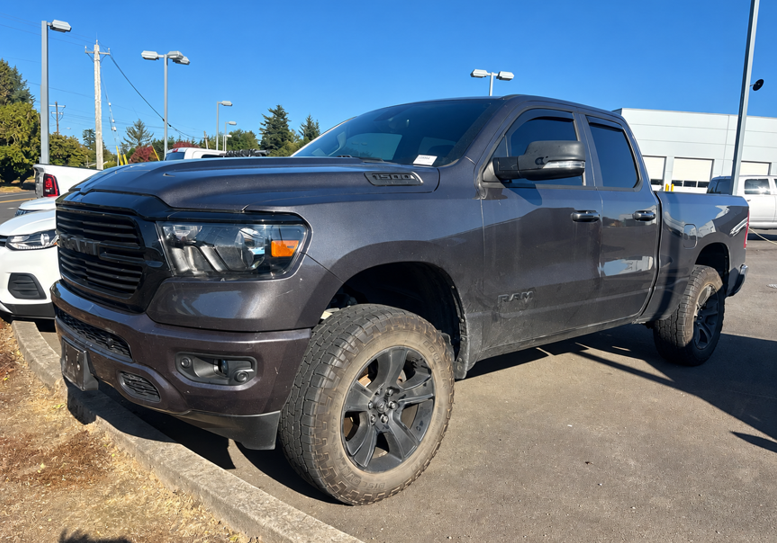
Truck shopping on the Oregon Coast comes with its own set of questions. Salt air, steep grades on Highway 101, and towing duties for boats, campers, or ATVs mean a used pickup here has to prove itself in ways a city truck never will. We've been helping neighbors in Clatsop County find the right vehicle since 1969, and this guide walks through what to look for before you buy. You can browse our current used inventory to see what's currently available, since our lineup shifts regularly.
Finding Used Trucks for Sale Near Astoria and Warrenton, OR
The used truck market along the coast stays active year-round, with buyers weighing reliability and value against the specific jobs they need done. Whether you're hauling crab pots down to the docks or commuting between Warrenton and Seaside, the used market offers more flexibility on features and trim levels than shopping new.
We serve shoppers from Astoria, Seaside, Tillamook, Long Beach Peninsula, Knappa, Cannon Beach, and Seaview, and that regional reach means our inventory reflects the real needs of coastal drivers rather than a one-size-fits-all approach.
Matching a Used Pickup to Your Work, Towing, and Hauling Needs
Not every truck is built for the same job, and figuring out what you actually need before you shop saves time and money. Start with cab space, then think about how much weight you'll be pulling or hauling, and finally consider how the truck handles wet, hilly roads, which are the norm around Clatsop County.
Cab Size and Bed Length Considerations
Cab and bed are the two decisions that shape everything else, and on a used lot you're picking from what was already built rather than ordering what you want.
Full-size trucks generally come in three cab styles. A regular cab is two doors and a single row, which maximizes bed length but leaves nowhere for passengers. An extended cab, called Quad Cab on a Ram or SuperCab on an F-150, adds a small rear seat behind half-size doors that's fine for tools or a short ride but cramped for adults. A crew cab gives you four full doors and rear legroom comparable to a midsize sedan, which is why it dominates the used market.
Bed length runs the other direction. A crew cab usually pairs with a shorter bed to keep overall length manageable, while extended and regular cabs get the longer ones. The practical question is what you haul most: sheets of plywood and long lumber want a longer bed, while crab pots, camping gear, and ATV runs work fine in a short one.
One thing to check in person rather than on paper: whether the tailgate closes over what you actually carry. Bring a tape measure, or better, bring the thing itself.
Towing Capacity and Payload Requirements
Towing and payload vary more within a single model than between brands, which is why two identical-looking trucks on the same lot can differ by thousands of pounds.
Engine is the biggest variable, then cab and bed configuration, drivetrain, and axle ratio. A base V6 half-ton might tow in the 7,000-pound range while the same nameplate with a bigger engine and a factory tow package pushes past 12,000. Brochure maximums almost always describe one specific build, usually the lightest cab with the strongest engine and the right rear axle.
On a used truck there's only one number that matters, and it's on the door-jamb sticker of the vehicle in front of you. That tells you what this truck is rated for, not what the model line can do. Ask whether the hitch receiver and trailer wiring came from the factory or were added later, and whether there's a brake controller, because a trailer over a few thousand pounds needs one.
A rule worth carrying with you: tongue weight should run around 10 percent of the loaded trailer, and your payload rating has to cover that tongue weight plus passengers, gear, and anything in the bed. People underestimate this constantly. A crew cab with five adults and a full bed can hit its payload limit before the trailer is even hitched.
4x4 Capability for Oregon Coast Roads and Weather
Winter driving here has rules worth knowing. ODOT allows vehicles at 10,000 pounds GVW or less that aren't towing to run traction tires instead of chains under typical winter conditions, though severe weather can trigger a conditional closure requiring chains on everything regardless of drivetrain. The 4WD exemption has conditions attached: the vehicle can't be towing, has to weigh 6,500 pounds or less unloaded, must carry chains onboard, and needs mud and snow, all-weather radial, or traction tires on all four corners.
Beyond the legal side, not all four-wheel drive works the same way. Part-time 4WD locks front and rear axles together and shouldn't be used on dry pavement. Automatic or full-time systems can stay engaged all the time, which suits the Coast's habit of switching between wet and dry within a mile. Some trucks add a two-speed transfer case with low range, which matters if you're pulling a boat up a wet ramp, and some add a locking rear differential.
On a used truck, ask which system it has and try it. Shift into four-wheel drive during the test drive and make sure it engages cleanly. A 4WD system that's never been used in five years is more likely to have problems than one that gets exercised, and the transfer case fluid is a maintenance item plenty of owners skip.
When the Truck is Also Your Daily Driver
A truck that tows well isn't automatically pleasant to commute in. Bigger engines and heavy-duty suspension cost you fuel economy and ride comfort on an empty bed, and a long-bed crew cab is a genuine handful in an Astoria parking lot. If you tow twice a year and commute five days a week, the lighter-duty configuration is often the better truck even though the spec sheet looks worse. Be honest about the ratio.
What to Inspect Before Buying a Used Truck
A clean-looking truck can still hide problems, especially one that's spent years exposed to salt air off the Pacific. Before you commit, run through a short checklist:
Pull a vehicle history report.
Compare mileage against the truck's age.
Check the undercarriage for coastal rust.
Inspect the tow hitch for wear.
Look closely at tire tread depth and traction rating.
Mileage, Tires, and Overall Condition
Most drivers put on somewhere between 12,000 and 15,000 miles a year, so a truck significantly above that pace may have seen harder use than the odometer alone suggests. Tire wear patterns can reveal alignment issues or a history of heavy loads, and it's worth checking for mud and snow, all-weather radial, or traction tires if you plan to drive through winter conditions on Highway 101. Rust along the frame and wheel wells deserves extra scrutiny here, since coastal salt air accelerates corrosion in ways drier climates don't.
Vehicle History and Service Records
Services like Carfax pull together ownership history, accident records, service visits, and a damage severity scale, giving you a useful starting point. These reports can't catch everything, though: private repairs, unreported accidents, and undocumented title issues won't always show up, so a clean report is a good sign but not a substitute for a physical inspection. It's also worth running the VIN through NHTSA's free lookup tool to check for open recalls on that specific make and model.
Understanding Prior Use (Work Truck vs. Daily Driver)
A truck's prior life shapes what you're actually buying. Personal vehicles typically have a single owner and more predictable wear, while rental, leased, or commercial trucks pass through multiple drivers and tend to rack up higher mileage faster. A former work truck will often show more wear and tear, but it might also come with utility upgrades a commuter vehicle never needed, like a heavier-duty hitch or bed liner.
Popular Used Truck Brands to Consider
Several manufacturers have built strong reputations in the truck segment, and our used inventory typically reflects that variety.
Used Ram Trucks Near Astoria
Trim names tell you roughly where a truck sits between work and comfort, and each brand uses its own vocabulary. On the Ram side, a Tradesman is built for work with vinyl floors and cloth seats, a Big Horn adds everyday comfort, and Rebel and Warlock lean toward off-road hardware and appearance.
The useful thing about buying used is that the trim ladder stops mattering as much. A five-year-old mid-trim truck often has features that were top-tier three years before it, and you're paying used-market prices for them. Worth shopping by the features you actually want rather than by badge.
Other Reliable Used Truck Brands in Our Inventory
Ford, Chevrolet, and Toyota also show up regularly in our used pickups, each bringing its own strengths, whether that's towing muscle, payload capacity, or fuel efficiency. Depending on availability, our lot may also include a GMC Sierra 1500 or a Honda Ridgeline, though specifics vary by unit and current stock.
Financing Your Used Pickup Purchase
Financing a used truck doesn't have to be complicated, and getting a plan in place before you start shopping puts you in a stronger position at the dealership.
Loan Options for Every Budget
Our finance team works with shoppers across Warrenton, Astoria, Tillamook, Seaside, and Long Beach to find competitive rates tailored to a range of credit profiles. You can start a finance application online before you ever step onto the lot, and our payment calculator gives you a realistic sense of your buying power ahead of time. If you'd like to see what's available before visiting in person, you can explore financing options directly through our site.
Valuing Your Trade-In
Trading in your current vehicle can meaningfully lower the cost of your next truck, but only if you know what it's actually worth. Our Value Your Trade tool lets you estimate your vehicle's worth toward a used truck purchase, and trading in is entirely optional if you'd rather sell privately or simply finance the full purchase price.
Questions to Ask on Your Test Drive
A test drive is your best chance to catch issues a spec sheet won't reveal. Ask about the truck's maintenance history and whether any warranty coverage remains, and pay attention to how the transmission shifts under load and whether the brakes feel responsive. It's also worth asking directly about any known mechanical issues or prior repairs, and listening for unusual noises from the suspension or drivetrain while driving over uneven pavement, which is easy to find on some of the older roads around Clatsop County.
Browse Used Trucks and Specials at Lum's CDJR
Our Coastal Roots
We've been part of the Astoria and Warrenton community since 1969, when Mr. Lum first opened our doors. That history is part of why we treat every customer who walks in looking for a used truck the way we'd want to be treated ourselves.
Ready When You Are
Check out our used vehicle specials if you want to stretch your budget further, and remember our inventory of trucks, SUVs, and cars changes regularly as new trade-ins come through. When you're ready to see a truck in person, contact our sales team to schedule a test drive, or stop by our location at 1605 SE Ensign Lane in Warrenton. We're glad to help you find a truck that's ready for whatever the Oregon Coast throws at it.