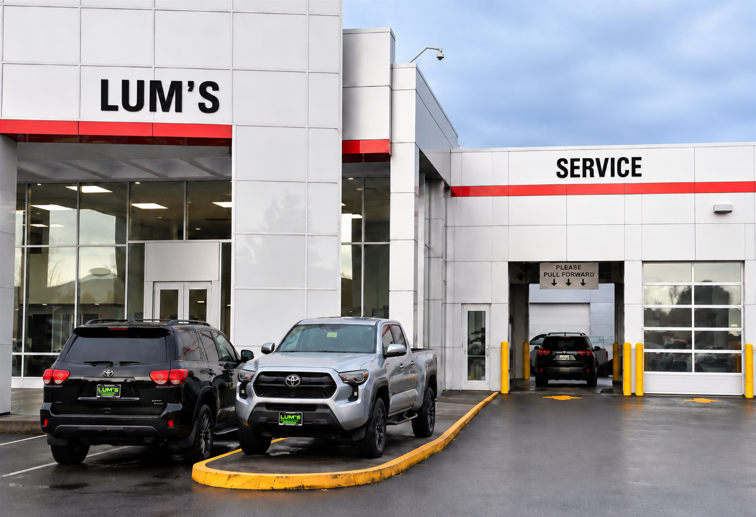





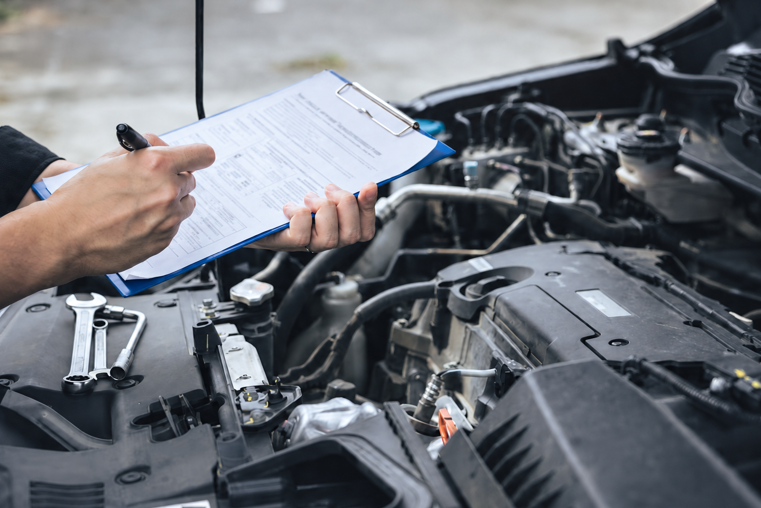
Winter on the Oregon Coast rarely means snow. Expect rain and wind, plus fog and early darkness, often in the same drive down US-101. Astoria averages 11.05 inches of rain in November and 10.68 inches in December, based on the National Weather Service's 1991–2020 normals. A short checklist helps you catch small problems early, and for the items you can't check yourself, visit Lum's CDJR service center for CDJR service Warrenton OR drivers rely on.
Use this as a starting point, and follow your owner's manual and vehicle-specific maintenance schedule for anything specific to your Chrysler, Dodge, Jeep or Ram.
How Oregon Coast Winters Affect Chrysler, Dodge, Jeep and Ram Vehicles
Rain makes pavement slicker and stopping and handling harder, while heavy rain cuts visibility on winter's shorter, darker days. When rain follows a dry spell, built-up oil and grease make roads especially slick in the first few hours, and driving through pooled water at speed can cause a loss of control.
Fog adds another layer. Astoria averages four dense-fog days in November and three in December, with visibility dropping to a quarter mile or less. Cooler temperatures also lower tire pressure and battery power.
Add salt air and damp garages, and small issues like weak batteries, underinflated tires and worn wipers tend to show up in winter. That's why winter car maintenance Warrenton drivers do ahead of the wet season matters. Even a well-maintained vehicle can't make hazardous roads safe, so check conditions before you go and postpone trips when roads are poor.
Tires, Brakes and Wipers: Your Grip and Visibility on Wet Roads
How well you can see and stop on wet roads comes down to your tires, brakes and wipers. Most owners can begin these checks in the driveway.
Tire Tread and Pressure for Heavy Rain and Cooler Temperatures
Your tires are the only part of your vehicle touching the wet road, so give them a careful look.
For pressure, use the number in your owner's manual or on the driver-side door-frame label rather than the maximum printed on the tire. Cooler air lowers pressure, so you want a gauge reading that matches the label.
Measure when tires are cold, meaning they haven't been driven for at least three hours. Check monthly and before long trips, and look for consistent readings on all four tires.
Tread must be at least 2/32 inch, but tires lose wet-road grip well before that, so consider replacing them as they approach 4/32 inch.
Look at tread and sidewalls for cuts, punctures, bulges, scrapes, cracks and bumps. A damaged tire should go to a tire professional.
Check the spare too, because a flat on a dark, wet shoulder is a bad time to find it soft.
If you tow or haul, check tire pressure and load before you go. For Jeep and Ram owners, check the manual for 4WD or AWD notes too. Our tire service can include rotations, inspections, pressure checks, tread-depth review and replacement support. Book it for low tread, uneven wear, vibration, pulling to one side, repeated low-pressure alerts or visible damage.
Brake Condition for Changing Road Conditions
On slick pavement, you want brakes that respond the way you expect. According to Mopar, squealing or grinding while braking, juddering, or a pedal that goes lower than usual can all signal brake wear. A longer stopping distance, a soft pedal, or new noise or vibration are also reasons to get your brakes looked at.
Any sign of a brake problem calls for an inspection by a certified technician. Also find out whether your vehicle has antilock brakes (ABS), which prevent wheel lockup during hard braking. Knowing how ABS feels, including the pulsing through the pedal, helps you react calmly on a wet road.
Wipers, Washer Fluid and Defrost Performance
Worn blades get overwhelmed fast by fog, rain and road spray. Confirm your wipers and defrosters work, fill the reservoir with winter washer fluid containing de-icer, and replace blades that show tears, ragged edges, stiff rubber, or a bent or cracked arm. Keep the blades clean between replacements.
Genuine Mopar wiper blades are designed for clear visibility in rain and road spray, and replacements are an easy add-on during any service visit.
Battery, Fluids and Coolant: Cold, Damp-Weather Reliability
Cooler weather asks more of your battery and fluids. A vehicle that starts fine in September can turn stubborn in December, so check these before the wet season settles in.
Battery Condition and Starting Reliability
Battery power drops with temperature, so have a mechanic check the battery, charging system and belts. A few checks you can do yourself:
Start with the terminals and cable ends. Look for corrosion and make sure the connections are tight, since a poor connection can mimic a dead battery. Loose or corroded cables can also interrupt charging and starting.
Then consider the battery's age and charge. Older batteries have less to give on cold mornings, so know when yours was installed.
Finally, watch for warning signs: slow cranking, repeated jump starts, dashboard warnings, dim lights, inconsistent electrical features, a sulfurous smell or a swollen case.
We offer battery checks and replacement for Chrysler, Dodge, Jeep and Ram vehicles, with genuine Mopar parts available. If you notice any warning sign, schedule service online, and we'll test the battery, charging system and belts.
Oil, Coolant and Other Fluids
Your owner's manual holds your vehicle's maintenance schedule and dashboard indicator information, and Mopar's site has vehicle-specific manuals if yours is missing.
Coolant should meet the manufacturer's specification. Check the cooling system for leaks, have the coolant tested and replace old coolant when needed, and ask your technician to look for badly worn hoses. Check your transmission, brake and power-steering fluid levels too.
For oil, watch for a dropping dipstick level, a burnt-oil smell or blue tailpipe smoke, all signs of a possible leak. Follow your manual for the oil type and the oil filter and fuel filter intervals. We offer oil changes, fluid service and filter replacement for Chrysler, Dodge, Jeep and Ram vehicles.
Lights, Heating, Filters and Coastal Moisture Checks
When daylight is short and fog rolls in, being seen matters as much as seeing. A warm, clear cabin helps too, especially when damp air fogs your glass.
Exterior Lights for Reduced Daylight
Before the wet season, check your headlights, brake lights, turn signals, flashers and interior lights, plus trailer lights if you tow. Keep spare bulbs in the vehicle, and turn your headlights on in rain, as ODOT advises.
Test low beams in the garage or against a wall, since dim headlights shorten your view in fog and darkness. Both should be equally bright.
Have a helper watch while you press the brake pedal and signal, because other drivers rely on those lights in spray. Every bulb should light each time.
Confirm the flashers and interior lights work, since you may need flashers on a US-101 shoulder. Flashing should be steady and even.
Hook up and test trailer lights before towing, because a dark trailer is hard to see in rain. The signals should match your vehicle.
Carry a set of spare bulbs, since a burned-out bulb on the road is a hassle. Make sure the right ones are in your kit.
Heating, Defrost and Cabin Air Filters
Test your heater and defroster on a damp morning and see whether the windows clear steadily. Windows that keep fogging deserve a technician's look.
A clogged cabin air filter can also slow defrosting and let musty air build up in a damp climate. We offer filter replacement, including cabin air, engine and oil filters, as part of service, with genuine Mopar parts available.
Emergency Supplies and Pre-Trip Habits for Holiday Travel
Holiday travel to Seaside, Long Beach or across the Columbia River can mean long stretches of wet highway. A packed kit and a few habits help you handle surprises. Here's a printable-style kit list based on NHTSA and ODOT guidance:
Blanket and warm clothing.
Flashlight.
Jumper cables.
Reflective triangles or other warning devices.
Tire inflator.
Gloves.
Phone and charger.
Water and snacks.
First-aid kit.
Spare bulbs.
Extra washer fluid.
Paper towels.
Any medicine you need.
Before you leave, check weather and traffic, and keep the tank close to full. Share your route and expected arrival time, allow time to rest, and don't drive drowsy. Add tire pressure before loading the vehicle. Use TripCheck for Oregon road conditions or call 511, and note that mountain passes may have snow. If roads are poor, consider postponing nonessential trips.
If you stall, stay with the vehicle, make it visible and keep the exhaust clear.
What to Check Yourself and When to Visit a Technician
Many items on this list take only minutes in your driveway, including tire pressure, tread and damage, the spare, wipers, washer fluid, lights, heater and defroster. Others, like brake inspections, battery testing and coolant checks, belong with a certified technician.
Winter Checklist at a Glance
| Item | What to Check | Why It Matters on the Coast | DIY or Technician | Suggested Timing |
|---|---|---|---|---|
| Tires | Pressure, tread (replace well before 2/32 inch), sidewalls, spare | Wet roads are slick and pressure drops as temperatures fall | DIY, with a tire professional for damage | Monthly |
| Brakes | Noise, vibration, soft pedal, stopping distance | Wet pavement makes stopping harder | Technician | At the start of the wet season |
| Wipers | Tears, ragged edges, stiff rubber, washer fluid | Rain and road spray cut visibility | DIY | At the start of the wet season |
| Battery | Terminals, cables, age, charge, charging system and belts | Battery power drops with temperature | Technician for testing | At the start of the wet season |
| Fluids and coolant | Leaks, coolant spec, transmission, brake and power-steering levels | Cooler weather puts more demand on the vehicle | Technician for leaks and coolant testing | Per your owner's manual |
| Lights | Headlights, brake lights, signals, flashers, trailer lights | Days are shorter and fog reduces visibility | DIY | Monthly |
| Heat and defrost | Heater and defroster function | Clear glass matters in damp, foggy conditions | DIY, with a technician if windows won't clear | At the start of the wet season |
| Emergency kit | Supplies packed and in date | Holiday trips can mean long, wet stretches | DIY | Before long trips |
Driveway Checks vs. Warning Signs
Use the left column for quick checks you can do at home before a trip, and treat anything in the right column as a reason to book service rather than wait.
| Quick Driveway Checks | Warning Signs Needing a Professional |
|---|---|
| Tire pressure, tread and sidewalls. | Grinding brakes or a soft pedal. |
| Spare tire inflation. | Slow cranking or repeated jump starts. |
| Wipers and washer fluid. | Dashboard warning lights. |
| All exterior lights. | Coolant smell. |
| Heater and defroster function. | Fogging windows that won't clear. |
We also handle wheel alignment, diagnostics and repairs. Whether you need Chrysler service Astoria drivers count on, Dodge service Oregon Coast owners need, or Ram service Warrenton OR trucks require, we can help. Jeep winter service Oregon drivers want is available too, so bring us any warning sign that's beyond a driveway check.
Schedule CDJR Service in Warrenton, OR at Lum's CDJR
Ready to get your vehicle set for the wet season? Schedule service online and request an appointment with our in-house service department. If you have questions first, contact our team and we'll gladly help.
We serve Warrenton, Astoria, Seaside, Long Beach, Clatsop County and nearby coast communities. For dependable CDJR service Warrenton OR drivers can count on, we're here to help you start the season prepared.