




Selling a vehicle can feel like a bigger project than it should. Private-party listings often require taking photos, answering messages, arranging test drives, negotiating with strangers, and handling paperwork on your own. Trading in a vehicle may sound easier, but many drivers assume they can only do that when purchasing another car.
At Lum’s CDJR in Warrenton, OR, you do not have to buy another vehicle from us to sell us your current one. Whether you are ready to upgrade, reducing the number of vehicles in your household, managing an inherited vehicle, or simply want to learn what your car may be worth, our team can evaluate it and discuss your options.
You can begin by using our online trade-in valuation tool or bring your vehicle to our dealership for an in-person appraisal.
Can You Sell a Car to a Dealership Without Buying One?
Yes. You can sell your vehicle to Lum’s CDJR without purchasing or leasing another vehicle from our dealership.
Although the phrase “trade-in” is often associated with applying a vehicle’s value toward another purchase, dealerships may also purchase vehicles directly from owners. This means you can request an appraisal, review the offer, and sell the vehicle without selecting another car, truck, SUV, or van from our inventory.
This option may be useful when:
- You have an extra vehicle you no longer need.
- You are moving or changing your transportation needs.
- You inherited a vehicle you do not plan to keep.
- Your lease is ending and you are reviewing your options.
- You want to reduce an existing auto loan balance.
- You are not ready to purchase another vehicle.
- You want an alternative to selling privately.
Selling directly to a dealership can simplify the process by keeping the appraisal, offer, documentation, and vehicle transfer in one place.
Selling vs. Trading In Your Vehicle
Selling and trading in both begin with determining the vehicle’s current market value. The main difference is what happens after the appraisal.
| Option | How It Works | When It May Make Sense |
|---|---|---|
| Sell your vehicle | Lum’s CDJR appraises the vehicle and may purchase it directly from you. | You do not need another vehicle or are not ready to buy yet. |
| Trade in your vehicle | The vehicle’s agreed value is applied toward another vehicle purchase. | You plan to replace your current vehicle with one from the dealership. |
| Request an appraisal only | You receive information about the vehicle’s potential value before deciding. | You are researching options and have not made a final decision. |
Neither option is automatically right for every driver. The better choice depends on whether you need another vehicle, whether there is an outstanding loan, and what you plan to do next.
How the Vehicle Appraisal Process Works
The appraisal process helps the dealership evaluate the vehicle’s condition, equipment, history, and current market demand. Although every vehicle is different, the process generally follows a few straightforward steps.
1. Tell Us About Your Vehicle
You can begin online by entering basic information about your vehicle. Useful details may include:
- Year
- Make
- Model
- Trim level
- Mileage
- Vehicle identification number
- Installed features or packages
- General condition
- Contact information
Accurate information helps produce a more useful initial estimate. The final value may depend on an in-person inspection and verification of the vehicle’s condition.
2. Bring the Vehicle in for an Inspection
During an in-person appraisal, the dealership may review the vehicle’s exterior, interior, tires, mechanical condition, mileage, equipment, and history.
Normal wear is expected on a used vehicle. However, significant body damage, mechanical concerns, warning lights, missing equipment, or heavily worn tires may affect its value.
3. Review the Appraisal
Once the evaluation is complete, the team can explain the vehicle’s appraised value and the options available to you.
You can decide whether to sell the vehicle, apply its value toward another purchase, or continue considering your options. Requesting an appraisal does not mean you must immediately complete a transaction.
4. Complete the Required Paperwork
If you accept the offer, the dealership will need to confirm ownership and complete the documents required to transfer the vehicle.
The exact process can vary depending on whether you own the vehicle outright, still have a loan, or share ownership with another person.
What Determines Your Vehicle’s Trade-In Value?
Two vehicles with the same year and model may receive different appraisals. Mileage, condition, features, history, and local demand can all influence value.
Year, Make, Model and Trim
Some vehicles retain value better than others because of reliability, capability, features, or demand. The trim level can also matter because upgraded powertrains, safety systems, technology packages, four-wheel drive, and other equipment may affect desirability.
Mileage
Mileage provides context about how extensively a vehicle has been driven. Lower mileage may support a stronger appraisal, but mileage is only one part of the evaluation.
A higher-mileage vehicle with consistent maintenance and good overall condition may still be appealing, while a low-mileage vehicle with damage or neglected service may require additional consideration.
Mechanical and Cosmetic Condition
The appraiser may inspect:
- Exterior paint and body panels
- Windshield and glass
- Tires and wheels
- Seats and interior surfaces
- Dashboard warning lights
- Engine performance
- Transmission operation
- Brakes and steering
- Technology and convenience features
- Signs of previous damage
Minor wear is normal. Larger repair needs may reduce the amount the dealership can offer because those issues may need to be addressed before the vehicle is resold.
Vehicle History and Maintenance Records
A documented maintenance history can help demonstrate how the vehicle has been cared for. Accident history, title status, prior use, and reported damage may also influence the appraisal.
Bring available maintenance receipts or records, but do not worry if you do not have every document. The dealership can still inspect and evaluate the vehicle.
Current Market Demand
Used-vehicle values are affected by market conditions. Demand may differ based on vehicle type, age, fuel economy, drivetrain, season, and local buying patterns.
For example, trucks, SUVs, all-wheel-drive vehicles, and practical commuter cars may experience different levels of demand at different times. An appraisal reflects not only the vehicle itself but also the current market in which it may be resold.
Can You Sell a Vehicle That Still Has a Loan?
You may still be able to sell or trade in a vehicle when there is an outstanding auto loan. The dealership will need information from the lender to determine the current payoff amount.
The relationship between the appraisal and payoff generally falls into one of two categories.
Positive Equity
You have positive equity when the vehicle is worth more than the remaining loan balance.
For example, if the vehicle is appraised at $20,000 and the loan payoff is $15,000, the difference represents $5,000 in positive equity. That amount may be handled as part of the sale or applied toward another vehicle if you choose to trade it in.
Negative Equity
You have negative equity when the remaining loan balance is higher than the vehicle’s appraised value.
For example, if the vehicle is appraised at $15,000 but the payoff is $18,000, there is a $3,000 difference. That balance must be addressed before the lender can release its interest in the vehicle.
The finance team can explain the available options based on the appraisal, payoff information, and whether you are selling the vehicle or purchasing another one.
What Should You Bring When Selling Your Vehicle?
Preparing the necessary information can make the appraisal and sale process more efficient. Depending on your ownership situation, you may need:
- A valid driver’s license or government-issued identification
- Vehicle registration
- Vehicle title, if you own it outright
- Loan or lender information, if the vehicle is financed
- All keys and key fobs
- Owner’s manuals
- Maintenance records, when available
- Information for any co-owner listed on the title
- Original equipment or accessories that belong with the vehicle
If more than one owner appears on the title, additional signatures or documentation may be required. Contact Lum’s CDJR before your visit if you are unsure what to bring.
Do You Need to Clean or Repair the Vehicle First?
You do not need to restore the vehicle to showroom condition before requesting an appraisal. A basic cleaning can make the vehicle easier to inspect, but expensive repairs do not always increase its value by more than they cost.
Before your appraisal, consider:
- Removing personal belongings
- Clearing items from the trunk or cargo area
- Washing the exterior
- Vacuuming the interior
- Gathering all keys and accessories
- Checking for personal information saved in the infotainment system
- Bringing maintenance records
Be honest about known mechanical or cosmetic concerns. Accurate information helps the dealership evaluate the vehicle efficiently and reduces surprises during the inspection.
Benefits of Selling Your Vehicle to Lum’s CDJR
Selling to a dealership may offer several practical advantages over managing a private-party transaction.
No Need to Create a Private Listing
You do not have to photograph the vehicle, write an advertisement, pay listing fees, or continually update an online post.
Fewer Unfamiliar Test Drives
Private sales may require meeting multiple prospective buyers and allowing them to inspect or drive the vehicle. A dealership appraisal keeps the process at an established business location.
Help With Vehicle Paperwork
Title transfers, payoff information, ownership verification, and other documentation can be confusing. The dealership team can guide you through the paperwork required for the transaction.
You Can Sell Without Buying
You are not required to select a replacement vehicle from Lum’s CDJR. If your goal is simply to sell your current vehicle, the appraisal can be handled as a separate transaction.
Trade-In and Replacement Options Are Available
If your plans change and you decide to replace your vehicle, you can browse new Chrysler, Dodge, Jeep, and Ram vehicles as well as pre-owned vehicles from a range of manufacturers.
Frequently Asked Questions About Selling or Trading a Vehicle
Do I have to purchase another vehicle from Lum’s CDJR?
No. You can request an appraisal and sell your vehicle to Lum’s CDJR without buying or leasing another vehicle from the dealership.
Can I get my vehicle appraised online?
You can begin through the dealership’s online trade-in valuation page. A final offer may require an in-person inspection and verification of the vehicle’s information and condition.
Does Lum’s CDJR only buy Chrysler, Dodge, Jeep and Ram vehicles?
You can request an appraisal for vehicles from other manufacturers as well. Value depends on the vehicle’s condition, history, mileage, equipment, and current market demand.
Can I sell a financed vehicle?
Possibly. The dealership will need to confirm the lender’s payoff amount and compare it with the vehicle’s appraised value.
Do I need the title to request an appraisal?
You generally do not need the title just to begin an appraisal. However, ownership and lien documentation will be required before completing the sale.
Does an online estimate guarantee the final amount?
An online estimate is a starting point. The final appraisal may change after the vehicle’s mileage, equipment, condition, history, and ownership information are verified.
How long is a vehicle appraisal valid?
Vehicle values and market conditions can change. Ask the dealership how long a specific appraisal or offer remains valid.
Get Your Vehicle Appraised at Lum’s CDJR
You do not have to purchase another vehicle to learn what your current car, truck, SUV, or van may be worth. Lum’s CDJR offers a straightforward way to request an appraisal and discuss selling or trading your vehicle in Warrenton, OR.
Start with our online trade-in valuation tool or visit Lum’s CDJR at 1605 SE Ensign Lane in Warrenton. Whether you want to sell your vehicle, apply its value toward another purchase, or simply understand your options, our team is ready to help you take the next step.
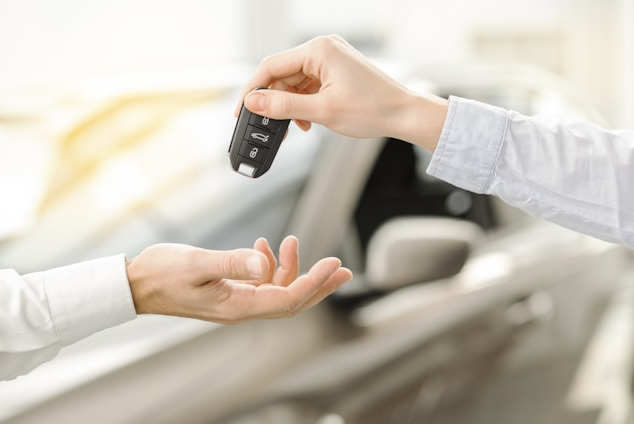
Image by Getty Images under the Unsplash+ License
Connect with us


Archives
- FAQs
- Jeep
- Jeep Cherokee
- Jeep Compass
- Jeep Gladiator
- Jeep Grand Cherokee
- Jeep Grand Cherokee L
- Jeep Wagoneer
- Jeep Wrangler
- Just for Fun
- Local
- New Models
- OAQs (Occasionally Asked Questions)
- Ram 1500
- Ram 2500
- Ram 3500
- Service & Maintenance
- Special Offers
- Tips
- Towing
- Used Vehicle Inventory
- Vehicle Comparisons